A jury will believe a DNA number until someone shows them why they shouldn’t. That someone has to be credible, clear, and able to hold up under cross. That’s the job of a forensic DNA expert witness, and it’s the job I do.
Making the DNA Statistics Make Sense
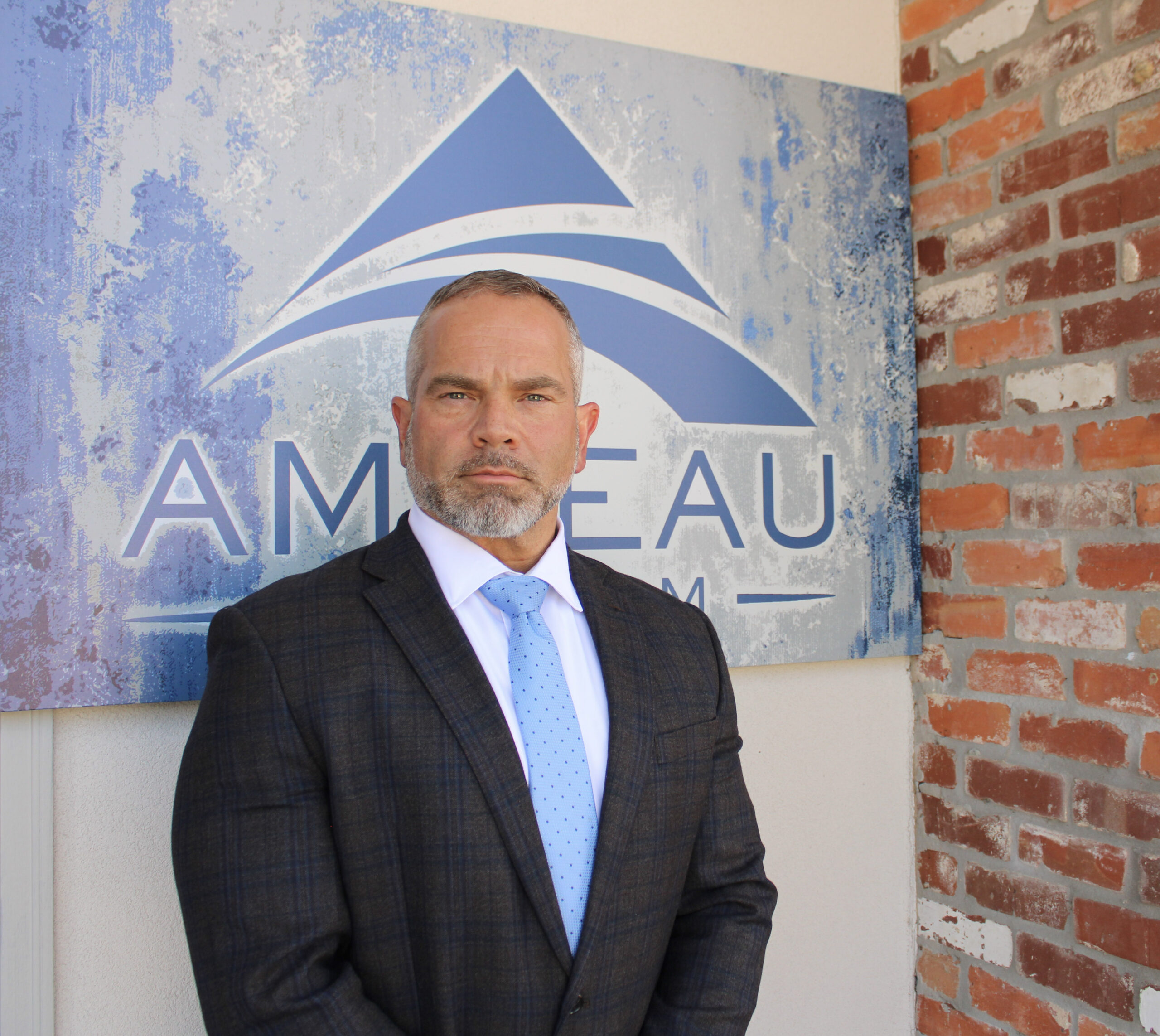
I’m court-qualified as an expert in forensic DNA interpretation and have testified in Louisiana courts and beyond, including second-degree murder and aggravated cases. I hold a Master of Science in Forensic DNA and Serology from the University of Florida, and I’ve taught other attorneys how to challenge this evidence through the National Forensic College and the LACDL. On the stand, I explain what the DNA actually proves and what it doesn’t.
Say the state’s analyst tells the jury the match is “one in a billion.” Left alone, that ends the case. As your forensic DNA expert witness, I explain in plain terms what that statistic assumes and where those assumptions fail — the difference between a “match” and “can’t be excluded,” what a likelihood ratio really means, and why a big number isn’t the same as guilt. The jury stops hearing a verdict and starts hearing a claim they can question.
Most jurors have never been taught how DNA statistics are built. That’s not a weakness to exploit; it’s a gap to close. I close it with named examples and plain language, so twelve people who came in trusting the number leave understanding exactly how much weight it can carry — and how much it can’t.
Testimony Built to Survive Cross
I prepare my testimony to be understood, not to impress. The judge follows it. The jury follows it. And it holds up when the prosecutor stands to cross, because I’ve been the one doing the cross in more than 50 felony trials to verdict. I know which questions are coming and I’ve already answered them.
That’s the difference between a scientist who learned to survive cross-examination and a trial lawyer who also holds the science. When your forensic DNA expert witness has tried the case himself, the state can’t rattle him with courtroom tactics. He’s lived on both sides of the podium, and it shows in front of the jury.
Daubert, Frye, and Admissibility
Sometimes the fight over DNA happens before the jury ever hears it. In a Daubert or Frye hearing, the question is whether the state’s method is reliable enough to admit at all. I can testify to where a lab’s protocol departs from accepted practice, where its validation is thin, and where its conclusions outrun its data. Winning that hearing can reshape the whole case.
Put the Right Expert in Front of the Jury
If the state is leaning on DNA, put a forensic DNA expert witness in front of the jury who has also tried the case. Tell me the jurisdiction, the lab, and your trial date, and we’ll talk about what your case needs. Until the state’s expert is met by one who is just as at home in the courtroom, the number stands unchallenged.