The state’s lab tested the sample, wrote the report, and called it a match. No one on the defense side has checked their work. That’s the problem an independent DNA evidence review fixes.
What an Independent DNA Evidence Review Actually Looks At
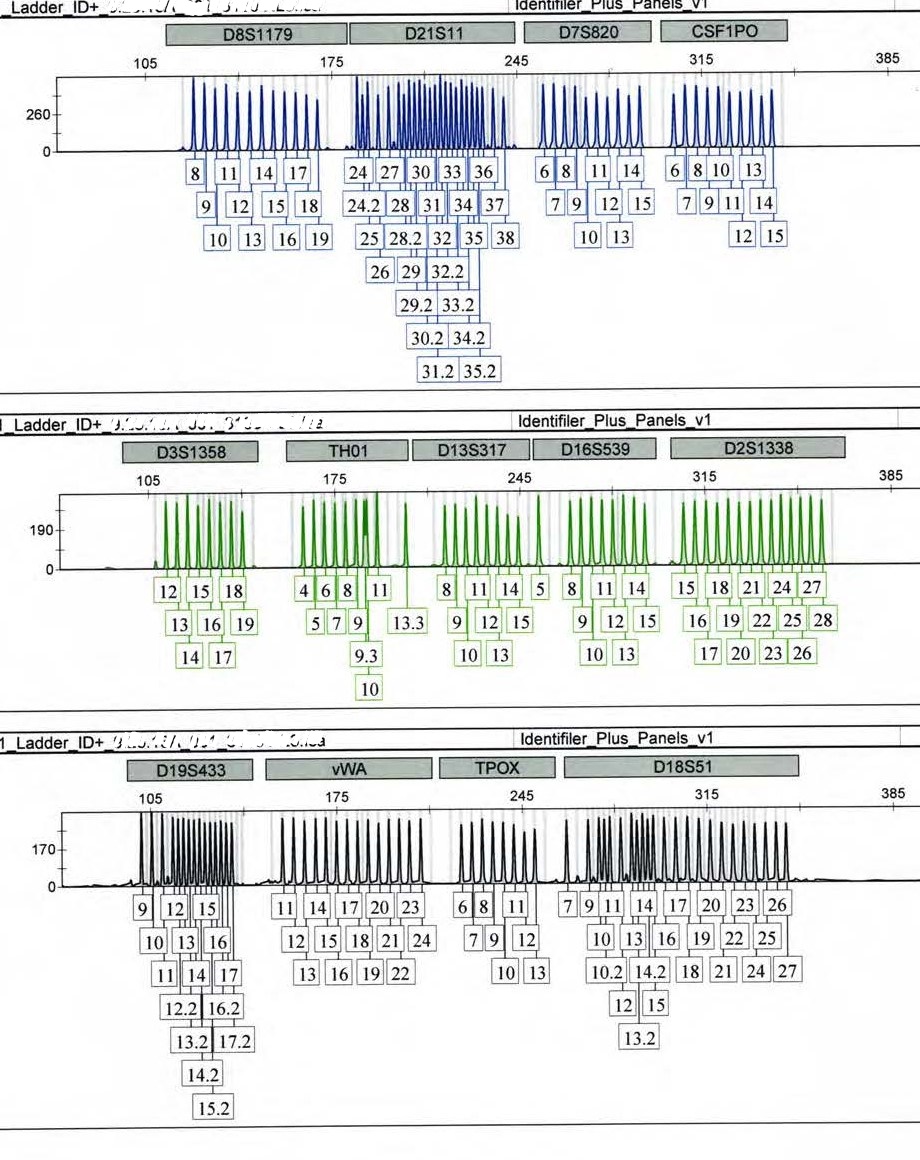
I go through the state’s DNA evidence the way a defense expert should — line by line, assumption by assumption. Low copy number samples, where there’s barely enough DNA to type. Complex mixtures with three, four, or more contributors. Probabilistic genotyping results that produce a likelihood ratio the jury will hear as certainty. I check whether the number holds. A DNA evidence review isn’t a second opinion for its own sake. It’s the first time anyone has read the state’s work with your client’s freedom in mind.
Say Joe is charged because his DNA “can’t be excluded” from a mixture on a steering wheel. That phrase does a lot of work in front of a jury. I look at whether the mixture is even interpretable, how many people contributed, and whether the lab’s own thresholds support the conclusion they drew. Often the honest answer is far weaker than the report suggests.
I check the lab’s bench notes against its own validation studies. I check the analyst’s assumptions about the number of contributors, because that single choice can swing a likelihood ratio by orders of magnitude. I check whether the software was run inside the range it was validated for, or outside it. When a lab pushes a low-level sample past what the science supports, the report reads clean. The data underneath does not.
Where the Weak Points Usually Hide
Contamination logs the state didn’t hand over. Samples rerun until a number appeared. Stochastic effects treated as real alleles. A “match” built on a two-person assumption when the data shows three. These aren’t rare. They’re where most DNA reports are soft, and they’re the first places my DNA evidence review looks.
Probabilistic genotyping doesn’t remove human judgment from DNA interpretation. It hides it inside a model. Someone still chose the contributor count, the analytical threshold, and the reference population. Each of those choices is a place the defense can push. A careful DNA evidence review surfaces them and shows the jury that the “objective” number rests on subjective calls.
What You Get Back
You get a written analysis you can use: what the evidence shows, where the lab overreached, and where the case is vulnerable. That includes the grounds for a Daubert or Frye challenge, the additional discovery worth requesting, and the specific points that give a motion or a cross real traction. Plain English throughout — no jargon dumps your team has to decode. If the science is solid, I’ll tell you that too, so you’re never surprised at trial.
Send the Report
Tell me the jurisdiction, the lab, the sample type, and your deadline. I’ll tell you whether there’s something worth pursuing. The first look costs nothing. Until the state’s DNA evidence is tested by someone who reads it like a scientist and thinks like a trial lawyer, no result is safe.